
Recent discussions circulating within Formula 1 communities suggest that Ferrari may be preparing a potential secret engine upgrade for the upcoming Austrian Grand Prix, according to unverified paddock rumors shared online and in fan discussions.
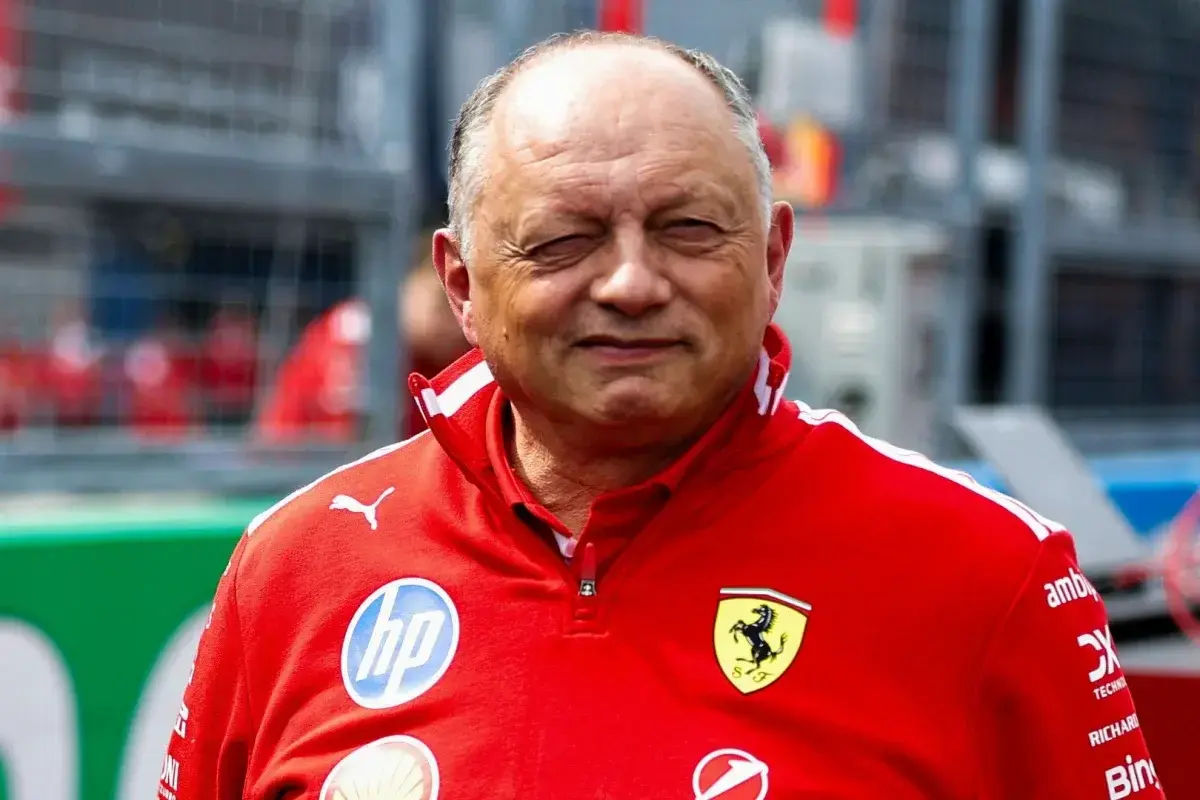
These claims have not been confirmed by Ferrari, the FIA, or any official technical documentation, and therefore remain within the realm of speculation commonly seen ahead of race weekends.
According to online discussions, the rumored update could provide a small increase in engine performance. However, no official figures or engineering reports support the specific claim of horsepower gains.
In modern Formula 1, even minor performance improvements can be significant due to the extremely close competition between teams such as McLaren, Red Bull, and Ferrari.
Within the same wave of speculation, attention has also turned toward Charles Leclerc, who is reportedly linked in fan discussions to recent simulation feedback sessions within the Ferrari environment.
Leclerc remains one of the central figures in Ferrari’s competitive program, and any rumored reaction or internal feedback attributed to him online has not been independently verified.
It is common in Formula 1 for simulation data and internal testing results to be misinterpreted or partially leaked through unofficial channels, leading to widespread speculation.
The Maranello-based team is known for continuous development throughout the season, frequently introducing aerodynamic and power unit refinements as part of long-term performance strategies.
However, not all development work conducted in simulation or testing environments is necessarily implemented on the race car.
The Austrian Grand Prix, held at the Red Bull Ring, is widely regarded as a power-sensitive circuit due to its long straights and high-speed layout, making it a frequent focus for engine performance discussions.
This characteristic often amplifies speculation about power unit upgrades, especially when teams are expected to bring incremental improvements to maximize lap time performance.
Some fan discussions suggest that even a small horsepower increase could influence qualifying gaps, which are often measured in fractions of a second in Formula 1.
Despite this, technical analysts emphasize that overall performance depends on multiple variables, including aerodynamics, tire management, and race strategy.
At present, there is no official confirmation from Ferrari or the FIA regarding any specific engine upgrade being introduced for the Austrian Grand Prix.
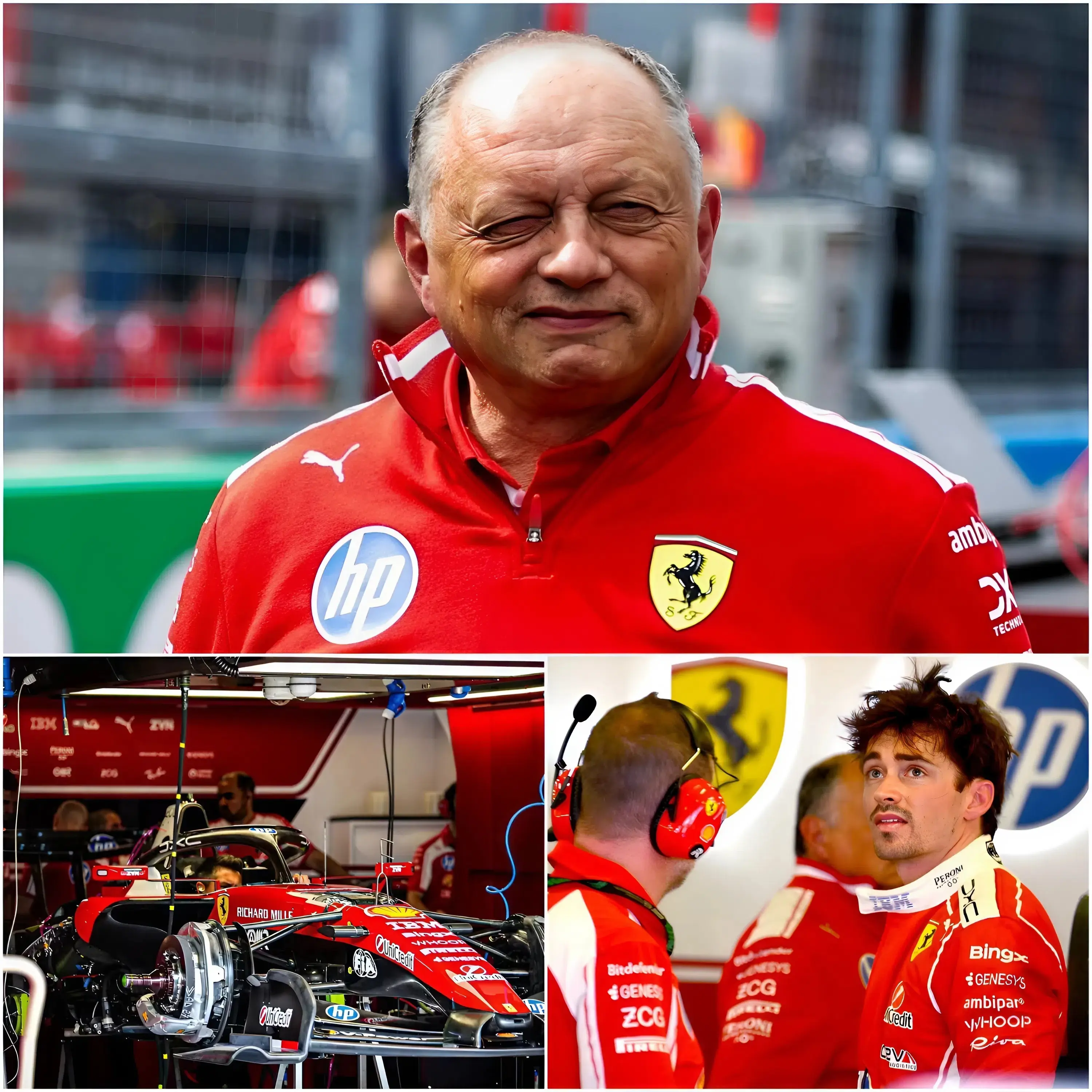
Similarly, there is no verified information indicating that Charles Leclerc has publicly commented on any such development.
The Formula 1 paddock is frequently subject to rapid rumor cycles, particularly in the days leading up to a race weekend, when teams finalize setup decisions and development packages.
Much of the speculation originates from online interpretation of performance trends, unofficial reports, or community-based technical analysis.
While these discussions often generate excitement among fans, they should not be interpreted as confirmed engineering decisions unless supported by official sources.
Ferrari, like all Formula 1 teams, operates under strict FIA regulations requiring any power unit development to meet homologation and compliance standards.
This ensures that all performance changes are formally documented and approved before being used in competitive conditions.
Historically, mid-season upgrades in Formula 1 tend to focus on incremental improvements rather than dramatic changes in engine output.
These updates are typically part of broader performance packages combining aerodynamic, mechanical, and software optimizations.
The interest surrounding Ferrari reflects the high expectations placed on the team in its ongoing battle with leading constructors in the championship.
Fans closely monitor every potential update, especially when it involves performance gains that could influence championship standings.
Social media platforms have amplified the spread of paddock rumors, allowing unverified claims to circulate rapidly across global fan communities.
This has led to an environment where speculation often gains visibility alongside official news, sometimes blurring the distinction between confirmed and unconfirmed information.
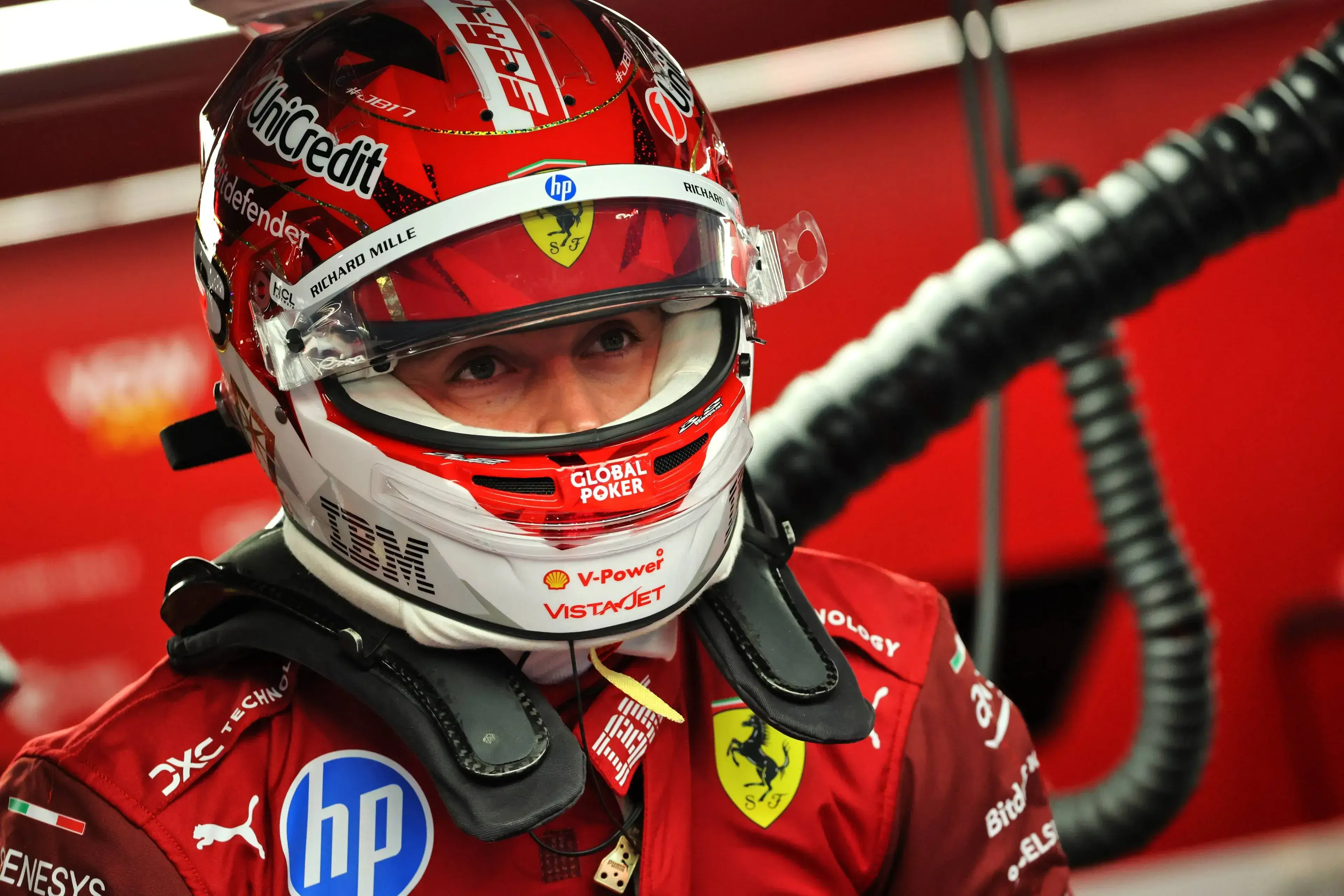
Despite this, the core competitive structure of Formula 1 ensures that only validated technical upgrades contribute to race performance.
Until official announcements are made, the rumored Ferrari engine upgrade remains unconfirmed and should be treated as speculative paddock discussion.
The upcoming Austrian Grand Prix will ultimately reveal whether any significant updates are introduced on track or if current configurations remain unchanged.
For now, the situation highlights the constant interest in Ferrari’s development path and the broader dynamics of technical evolution within Formula 1.
As always, teams are expected to clarify their technical packages through official communications closer to race weekend, providing a more accurate picture of performance expectations.
Ferrari Rumored to Prepare Secret Engine Upgrade for Austrian Grand Prix as F1 Paddock Speculation Intensifies
Recent discussions circulating within Formula 1 communities suggest that Ferrari may be preparing a potential secret engine upgrade for the upcoming Austrian Grand Prix, according to unverified paddock rumors shared online and in fan discussions.
These claims have not been confirmed by Ferrari, the FIA, or any official technical documentation, and therefore remain within the realm of speculation commonly seen ahead of race weekends.
According to online discussions, the rumored update could provide a small increase in engine performance. However, no official figures or engineering reports support the specific claim of horsepower gains.
In modern Formula 1, even minor performance improvements can be significant due to the extremely close competition between teams such as McLaren, Red Bull, and Ferrari.
Within the same wave of speculation, attention has also turned toward Charles Leclerc, who is reportedly linked in fan discussions to recent simulation feedback sessions within the Ferrari environment.
Leclerc remains one of the central figures in Ferrari’s competitive program, and any rumored reaction or internal feedback attributed to him online has not been independently verified.
It is common in Formula 1 for simulation data and internal testing results to be misinterpreted or partially leaked through unofficial channels, leading to widespread speculation.
The Maranello-based team is known for continuous development throughout the season, frequently introducing aerodynamic and power unit refinements as part of long-term performance strategies.
However, not all development work conducted in simulation or testing environments is necessarily implemented on the race car.
The Austrian Grand Prix, held at the Red Bull Ring, is widely regarded as a power-sensitive circuit due to its long straights and high-speed layout, making it a frequent focus for engine performance discussions.
This characteristic often amplifies speculation about power unit upgrades, especially when teams are expected to bring incremental improvements to maximize lap time performance.
Some fan discussions suggest that even a small horsepower increase could influence qualifying gaps, which are often measured in fractions of a second in Formula 1.
Despite this, technical analysts emphasize that overall performance depends on multiple variables, including aerodynamics, tire management, and race strategy.
At present, there is no official confirmation from Ferrari or the FIA regarding any specific engine upgrade being introduced for the Austrian Grand Prix.
Similarly, there is no verified information indicating that Charles Leclerc has publicly commented on any such development.
The Formula 1 paddock is frequently subject to rapid rumor cycles, particularly in the days leading up to a race weekend, when teams finalize setup decisions and development packages.
Much of the speculation originates from online interpretation of performance trends, unofficial reports, or community-based technical analysis.
While these discussions often generate excitement among fans, they should not be interpreted as confirmed engineering decisions unless supported by official sources.
Ferrari, like all Formula 1 teams, operates under strict FIA regulations requiring any power unit development to meet homologation and compliance standards.
This ensures that all performance changes are formally documented and approved before being used in competitive conditions.
Historically, mid-season upgrades in Formula 1 tend to focus on incremental improvements rather than dramatic changes in engine output.
These updates are typically part of broader performance packages combining aerodynamic, mechanical, and software optimizations.
The interest surrounding Ferrari reflects the high expectations placed on the team in its ongoing battle with leading constructors in the championship.
Fans closely monitor every potential update, especially when it involves performance gains that could influence championship standings.
Social media platforms have amplified the spread of paddock rumors, allowing unverified claims to circulate rapidly across global fan communities.
This has led to an environment where speculation often gains visibility alongside official news, sometimes blurring the distinction between confirmed and unconfirmed information.
Despite this, the core competitive structure of Formula 1 ensures that only validated technical upgrades contribute to race performance.
Until official announcements are made, the rumored Ferrari engine upgrade remains unconfirmed and should be treated as speculative paddock discussion.
The upcoming Austrian Grand Prix will ultimately reveal whether any significant updates are introduced on track or if current configurations remain unchanged.
For now, the situation highlights the constant interest in Ferrari’s development path and the broader dynamics of technical evolution within Formula 1.
As always, teams are expected to clarify their technical packages through official communications closer to race weekend, providing a more accurate picture of performance expectations.