
The viral claim that **Karoline Leavitt** responded to UFC star **Khamzat Chimaev** after he allegedly called her “Barbie of the KKK” with 17 calm and sharp replies has captured widespread attention across social media platforms. This dramatic narrative suggests a heated online exchange that ultimately uncovered a shocking revelation about Chimaev’s past, leaving the public in stunned silence. Many users shared the story with excitement and curiosity.
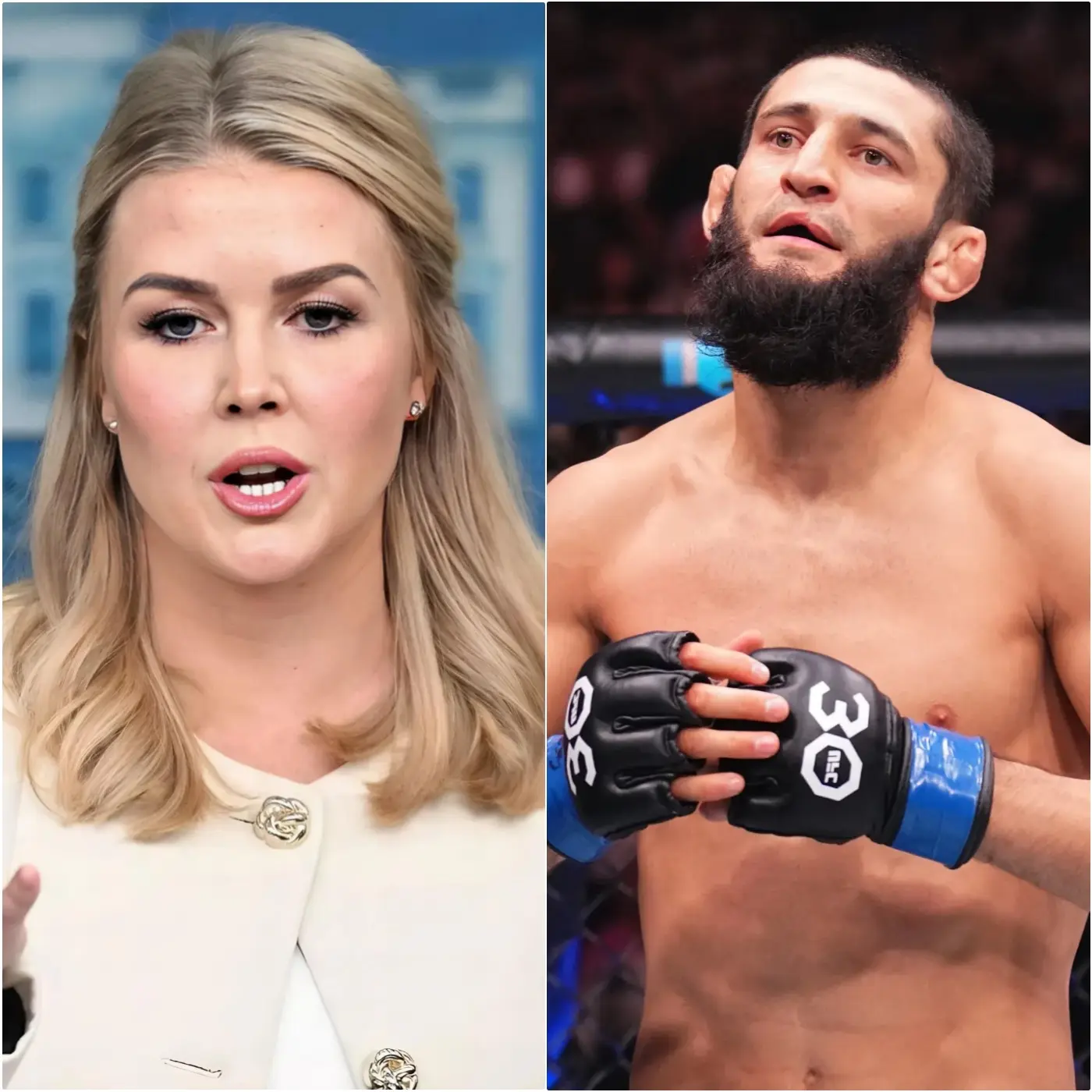
However, extensive searches across news outlets, fact-checking sites, and social media reveal that this particular confrontation between Karoline Leavitt and Khamzat Chimaev appears to be unfounded. No credible evidence supports the existence of such an insult or the series of 17 replies from the White House Press Secretary directed at the Chechen-born fighter.
Karoline Leavitt, serving as White House Press Secretary under President Donald Trump in 2025 and 2026, has become a prominent figure known for her composed yet forceful communication style during briefings. She frequently defends administration policies with precision and has clashed with reporters on various issues ranging from foreign policy to domestic matters.
Khamzat Chimaev, nicknamed “Borz,” remains one of the most dominant and undefeated prospects in the UFC welterweight division. His aggressive fighting style and rapid rise in mixed martial arts have earned him global recognition since his debut in 2020.
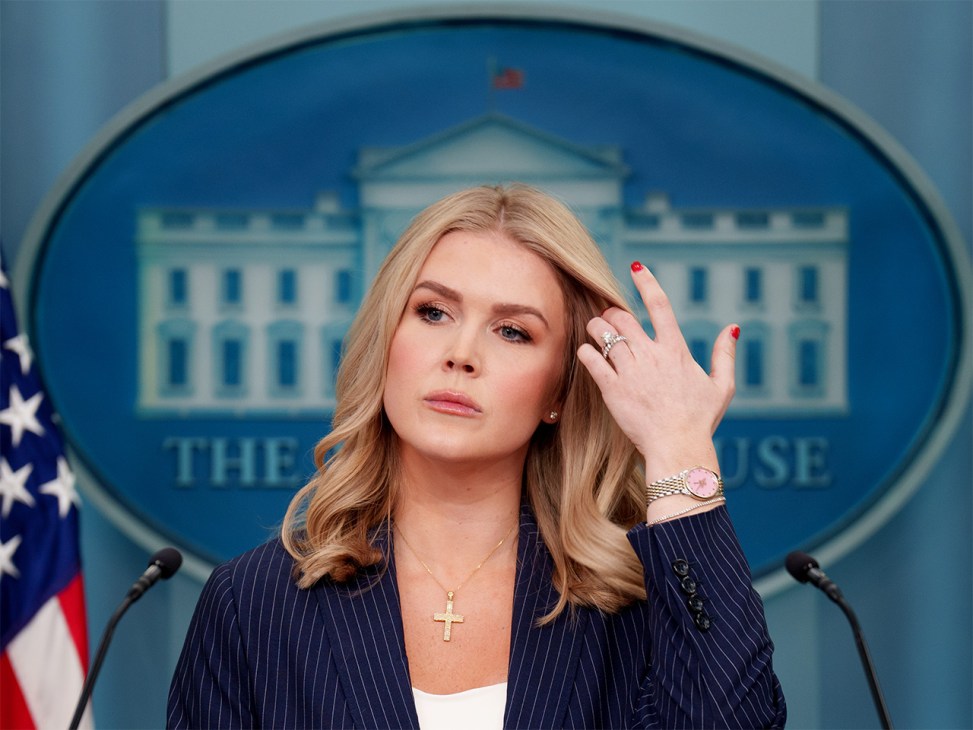
The phrase “Barbie of the KKK” has surfaced in multiple fabricated viral stories involving Leavitt, often paired with different celebrities or athletes. Similar fabricated tales have linked the insult to figures like Formula 1 driver Max Verstappen, basketball icon LeBron James, and even other unrelated personalities, indicating a pattern of clickbait content creation.
In one widely circulated version, the story substitutes Max Verstappen as the one who allegedly used the derogatory term against Leavitt. That narrative claims her response exposed a hidden aspect of his background, sending social media into a frenzy with trending hashtags. Yet, those accounts also lack verification from reliable sources.
Another recurring theme involves variations like “Sit down, Barbie,” where Khamzat Chimaev supposedly called Leavitt a “puppet of Trump” during a live television appearance. These posts describe a studio audience erupting in applause after a supposed verbal takedown, but no video footage or official reports confirm any such event ever occurred.
Social media analysts have identified these stories as classic examples of AI-generated or copy-paste viral bait designed to exploit political divisions and celebrity drama. The formula typically includes an inflammatory insult, a poised comeback from Leavitt, and a mysterious “shocking revelation” that silences critics without providing specifics.

The repeated recycling of the “Barbie of the KKK” slur across different names highlights how misinformation spreads rapidly in the digital age. Users encounter these posts on platforms like Facebook, Threads, and X, where sensational headlines drive engagement regardless of factual accuracy.
Karoline Leavitt’s real public persona stands in contrast to these fictional clashes. She has handled intense press conferences with sharp rebuttals, often dismantling what she describes as biased or poorly informed questions from journalists covering the administration.
Her background includes experience as a congressional candidate and communications professional, which has prepared her for high-pressure media environments. Many supporters praise her for bringing youthful energy and directness to the White House press role.
Khamzat Chimaev’s actual controversies have centered on his fighting career, including weight-cutting struggles, callouts of top contenders, and his outspoken personality on social media. He has never been publicly linked to any verified exchange involving Leavitt or political press secretaries.
The absence of any screenshots, timestamps, or archived posts from either Leavitt or Chimaev’s official accounts further undermines the credibility of the viral claim. In an era of deepfakes and manipulated content, such omissions raise immediate red flags.
Viral drama stories like this one often gain traction because they combine elements of politics, celebrity, and racial undertones in a provocative manner. The “KKK” reference carries heavy implications, making the tale emotionally charged and shareable among audiences with strong opinions.
Despite the buzz, responsible media consumers should approach such narratives with skepticism until corroborated by established outlets. Fact-checkers have previously debunked similar rumors involving Leavitt and high-profile athletes, labeling them as baseless fabrications.
The phenomenon reflects broader trends in online misinformation, where sensationalism outperforms substance in capturing attention. Stories evolve quickly, with names swapped to fit trending topics or current events for maximum virality.
Karoline Leavitt continues to focus on her official duties, delivering briefings and statements that shape public perception of the administration’s agenda. Her measured responses in real-life scenarios demonstrate the composure often exaggerated in these fictional accounts.
Khamzat Chimaev remains dedicated to his UFC pursuits, training rigorously and preparing for upcoming bouts that could solidify his status among the elite. His social media activity typically revolves around fighting, motivation, and cultural pride rather than political commentary.
The allure of these made-up confrontations lies in their simplicity and shock value, offering easy entertainment in a fast-paced digital landscape. People enjoy imagining powerful figures trading barbs, even when the events never happened.
Ultimately, distinguishing between entertainment and reality becomes essential when consuming online content. The Karoline Leavitt and Khamzat Chimaev story serves as a reminder to verify sources before accepting dramatic claims at face value.
While the tale promises a thrilling exchange and a game-changing revelation, it exists primarily as internet folklore rather than documented fact. Awareness of such patterns helps individuals navigate the sea of information more effectively in today’s connected world.
The enduring popularity of these fabricated narratives underscores the human desire for drama and justice played out in public view. Yet, the truth often proves far less theatrical than the viral imagination suggests.
As social platforms continue to amplify sensational posts, critical thinking remains the best defense against misinformation. Stories that sound too perfect or explosive frequently turn out to be engineered for clicks rather than rooted in reality.

In conclusion, the supposed 17 sharp replies from Karoline Leavitt to Khamzat Chimaev, along with any associated shocking past revelation, belong to the realm of unverified online rumors. No evidence supports their occurrence, and the pattern of similar false stories suggests deliberate fabrication for engagement purposes.