
The ongoing debate surrounding mixed martial arts champion Islam Makhachev and his stance on personal beliefs versus external pressures continues to capture attention in the sports world. In a widely circulated narrative, the UFC star reportedly stood firm against attempts to involve him in promotional campaigns related to LGBT causes, stating clearly, “He can force others to do what he wants, but not me. I don’t like promoting these things in sports.” This declaration highlights the tension between individual convictions and societal expectations often placed on high-profile athletes in the United States.
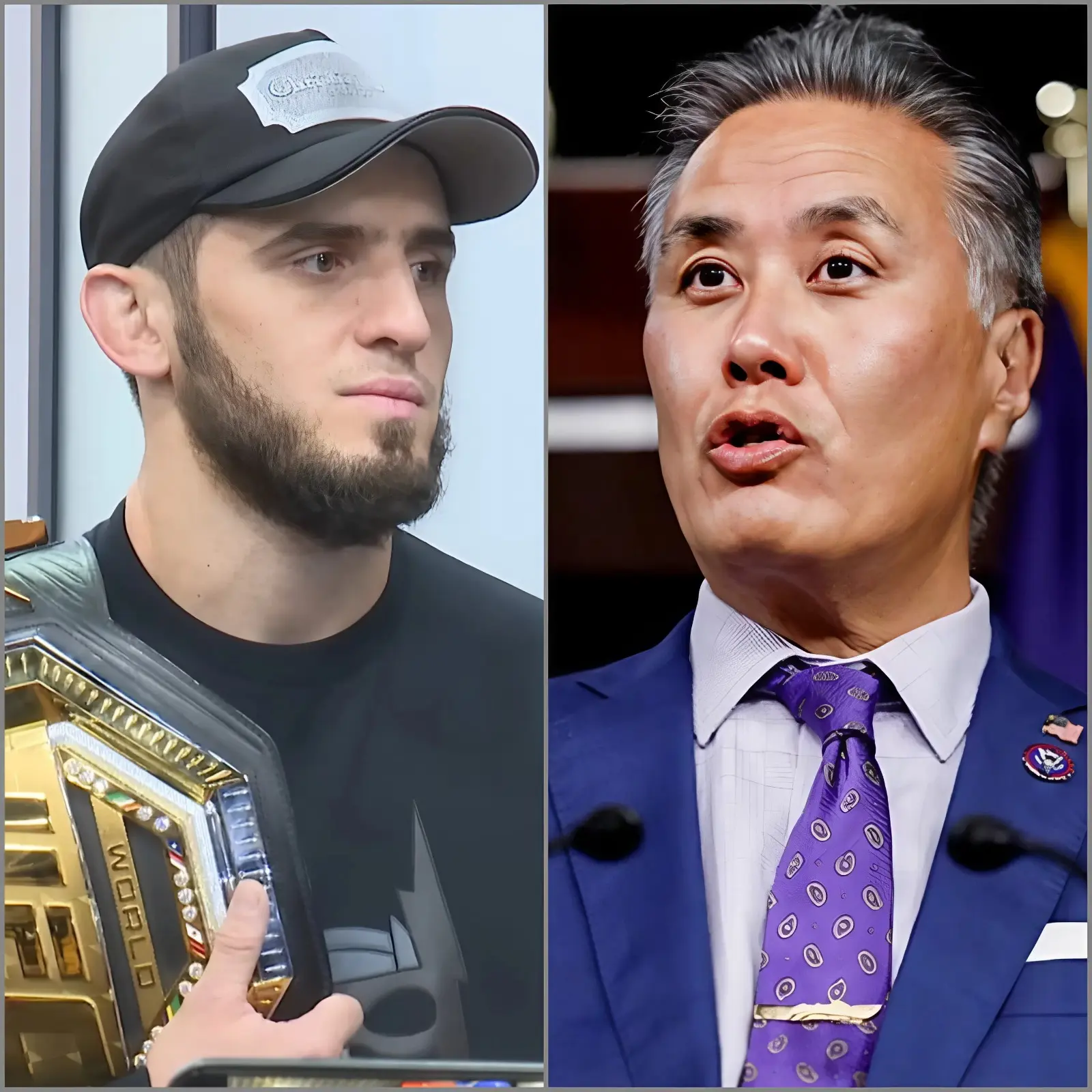
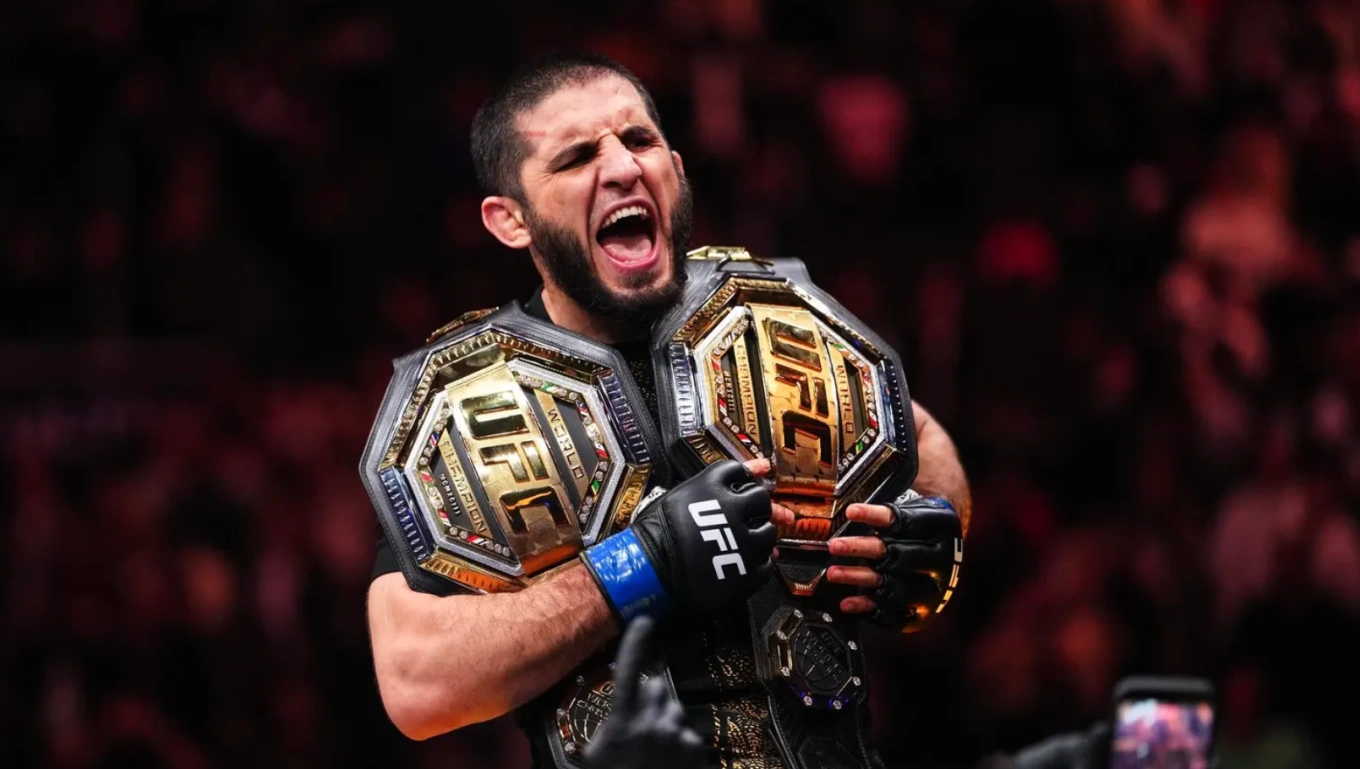
Islam Makhachev, a dominant force in the UFC, has built an extraordinary career marked by discipline, skill, and unwavering commitment to his roots. Born in Dagestan, Russia, he rose through the ranks under the guidance of legendary fighter Khabib Nurmagomedov, eventually claiming the lightweight title and defending it multiple times before moving up to welterweight. His journey reflects not just physical prowess but also a deep adherence to personal and religious principles that shape his decisions both inside and outside the Octagon.
The controversy allegedly involved U.S. Congressman Mark Takano, a prominent advocate for LGBT rights and chair of the Congressional Equality Caucus. Reports suggest Takano accused Makhachev of abusing influence by resisting participation in LGBT promotion efforts planned for events in America and upcoming MMA competitions in the following year. Such accusations frame the situation as a clash between cultural values and the growing push for inclusivity in professional sports leagues like the UFC.
Takano’s reported response carried a sharp tone of sarcasm, questioning the fighter’s gratitude toward the country that helped elevate his fame. He remarked, “A fighter becomes famous thanks to America’s support, but now lives like a prince and refuses to give back to the community?” This comment sparked immediate backlash from supporters of Makhachev, who viewed it as an unfair attack on the athlete’s autonomy and heritage.

In a dramatic turn that fueled viral discussions, Makhachev allegedly fired back with a concise yet impactful reply on social media. The response, consisting of exactly ten words, was described as a powerful statement that resonated deeply with fans and left many observers stunned. Such quick, direct communication underscores the fighter’s reputation for speaking plainly without hesitation when his principles are challenged.
This incident fits into a broader pattern of rumors surrounding Makhachev and lucrative offers tied to advocacy campaigns. Earlier reports from mid-2025 claimed a prominent billionaire, often linked to tech giants, proposed a massive contract worth hundreds of millions for the champion to feature in pro-LGBT advertisements at UFC events. Makhachev’s alleged refusal emphasized faith over financial gain, with the line “My faith guides my path, not money” becoming a rallying cry for those who admire his steadfastness.

The athlete’s background plays a crucial role in understanding his position. Growing up in a predominantly Muslim region of Dagestan, Makhachev has consistently referenced his religious beliefs as a guiding force in life and competition. Islam, as practiced in his community, shapes views on various social issues, including those related to gender and sexuality, leading to natural boundaries when it comes to promotional involvement in certain campaigns.
Professional sports increasingly intersect with social and political movements, placing athletes in difficult positions. Many fighters, entertainers, and public figures face pressure to endorse causes ranging from environmental awareness to human rights. When someone like Makhachev declines, it often ignites debates about freedom of expression, cultural sensitivity, and the role of athletes as influencers beyond the ring.
Critics argue that high-profile stars benefit from global platforms, including those in progressive nations like the United States, and should reciprocate by supporting inclusive initiatives. Supporters counter that true diversity includes respecting differing viewpoints and not compelling participation in advocacy that conflicts with personal faith or values.
Makhachev’s career achievements add weight to the conversation. With a remarkable win streak that ties historical UFC records, multiple title defenses, and a successful transition to a new weight class, he has proven himself among the elite. His dominance includes technical grappling, improved striking, and mental toughness that inspires millions worldwide.
Fans often praise his humility despite immense success. Unlike some athletes who embrace celebrity lifestyles, Makhachev maintains a focused, disciplined routine influenced by his training in Dagestan and close ties to his mentor Khabib. This lifestyle reinforces his resistance to external pressures that could distract from his primary goals in mixed martial arts.
The alleged exchange with Takano also raises questions about the involvement of politicians in sports controversies. As a member of Congress representing California, Takano’s focus on equality issues is well-documented, including votes and statements supporting LGBT rights in areas like military service and education. Extending that advocacy to critique an international athlete, however, can appear as overreach to some observers.
Social media amplified the story rapidly, with posts praising Makhachev’s reply trending among MMA communities. Many viewed the ten-word response as a classic example of concise power, similar to memorable quotes from other fighters who stood by their convictions during public scrutiny.
Broader implications touch on how global sports handle cultural differences. The UFC operates internationally, hosting events across continents with diverse audiences. Fighters from various backgrounds bring unique perspectives, sometimes leading to friction when American-centric social expectations are applied universally.
Makhachev’s story also highlights the financial temptations in modern sports. Massive endorsement deals can transform careers, but rejecting them for principle demonstrates integrity that resonates with fans who value authenticity over commercialism.
As the UFC landscape evolves into 2026, Makhachev remains a central figure. After claiming welterweight gold and planning future defenses, his next fights will draw huge attention. Whether against rising contenders or established names, his performances continue to solidify his legacy.
The controversy serves as a reminder that athletes are individuals with rights to personal boundaries. While public figures often engage in philanthropy and causes, forced alignment with specific agendas risks alienating portions of their fanbase and compromising authenticity.
Discussions around faith, money, and social responsibility will persist in sports. Cases like this encourage reflection on balancing inclusivity with respect for diversity of thought. Makhachev’s stance, whether fully verified or part of viral narratives, underscores the importance of personal conviction in an era of heightened public scrutiny.
Ultimately, the episode illustrates the complex interplay between fame, culture, and conscience in professional athletics today. As Islam Makhachev prepares for his next chapter in the UFC, his decisions inside and outside the cage will continue influencing conversations about what it means to succeed on one’s own terms.