
🚨 “DON’T YOU EVER THINK ABOUT TOUCHING MY FAMILY OR MY COUNTRY!” — Ilia Topuria’s Eight Words That Froze the MMA World
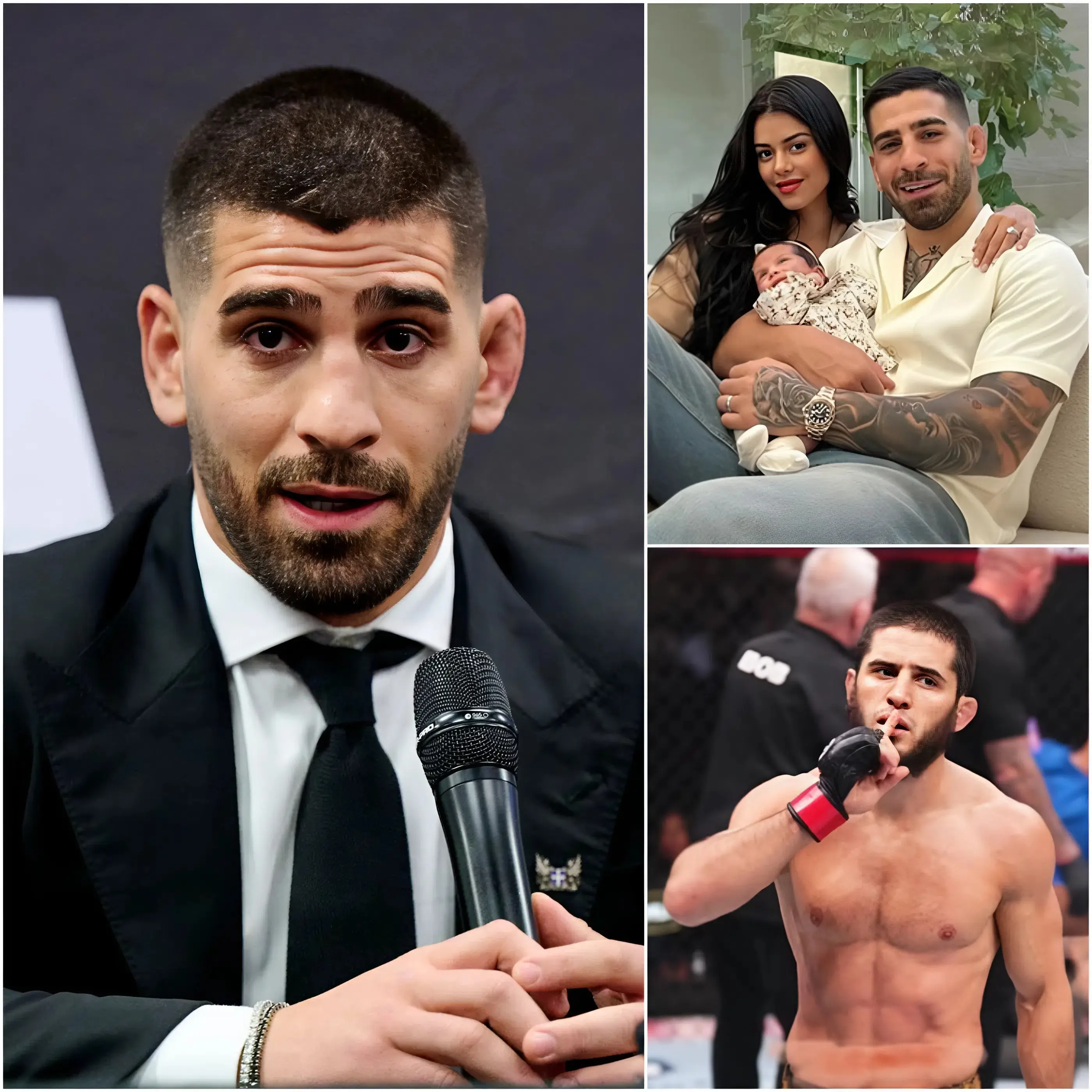

The mixed martial arts world was left reeling after an explosive moment at what was supposed to be a routine post-incident press conference.
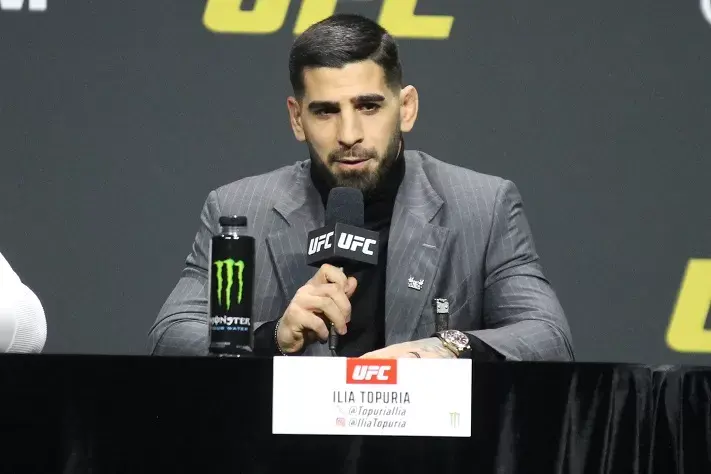
Instead of calm updates and carefully chosen statements, the room erupted into stunned silence when Ilia Topuria stood up, seized the microphone, and delivered eight words that instantly reverberated across the global MMA community.
The catalyst was an alleged act of deep disrespect by Islam Makhachev—remarks that reportedly crossed a line no fighter, regardless of rivalry, is expected to cross.
The press conference had begun under controlled circumstances. Journalists gathered expecting a measured discussion about recent events, training timelines, and the future of two elite athletes whose competitive paths may soon intersect.
Tensions were already high; fans and analysts alike had been speculating for weeks about possible matchups and simmering rivalries. Still, few anticipated the emotional intensity that would unfold.
According to multiple sources present in the room, the atmosphere shifted abruptly when Makhachev made comments perceived as targeting Topuria’s family and national identity. While exact wording remains disputed, the reaction was immediate and unmistakable. Cameras caught Topuria’s expression change—calm composure giving way to controlled fury.
Without hesitation, he stood, took the microphone, and delivered a statement that cut through the noise like a blade.
“Don’t you ever think about touching my family or my country.”
Eight words. No qualifiers. No theatrics. Just a line drawn with absolute clarity.
For a moment, the room was frozen. Journalists lowered their pens. Camera shutters stopped clicking.
Even seasoned reporters—accustomed to heated exchanges—later described the silence as “heavy,” “electric,” and “unsettling.” It was the kind of moment that transcends sport, reminding everyone present that behind the belts, rankings, and promotional narratives are human beings with histories, identities, and boundaries that demand respect.
Topuria’s reaction struck a chord because it spoke to something universal in combat sports: pride. Fighters often talk about honor, lineage, and the people who sacrificed to help them reach the top. For Topuria, family and country are not branding tools; they are foundations.
Those close to him have long described his fierce loyalty and protective instincts as core traits—values instilled long before he entered the cage.
Makhachev, for his part, reportedly attempted to de-escalate the situation soon after. Witnesses say he offered words of apology and called for “peace,” suggesting that his remarks were misunderstood or taken out of context. In many situations, such gestures might have softened the fallout.
But this time, the damage had already been done. The moment had escaped the confines of the room and was racing across social media at full speed.
Within minutes, clips of Topuria’s statement flooded platforms worldwide. Fans split into camps—some praising his stance as courageous and principled, others urging restraint and dialogue. Prominent fighters, past and present, weighed in. Several emphasized that trash talk has limits, especially when it veers into personal territory unrelated to competition.
“Rivalry should stay inside the sport,” one former champion wrote. “Family is off-limits.”
The incident has reignited a broader conversation within MMA about the culture of promotion and provocation. In an era where attention often equals revenue, fighters are encouraged—sometimes subtly, sometimes overtly—to push boundaries. Yet moments like this expose the risks of that approach.
When lines blur, consequences follow, not only for individuals but for the sport’s image as a whole.
What made Topuria’s response so powerful was its restraint. He did not insult. He did not threaten. He did not escalate with violence. Instead, he asserted a boundary with unwavering resolve. Analysts noted that this calm intensity may have amplified the impact far more than shouting or theatrics ever could.
It was not just anger; it was conviction.
For many fans, the moment reshaped perceptions of Topuria. Known primarily for his skills, aggression, and competitive fire, he was suddenly seen through a different lens—as a man grounded in values, unafraid to defend them publicly.
Support poured in from supporters across different countries, many resonating with the idea that national identity and family heritage deserve respect regardless of rivalry.
The MMA organizations involved have yet to issue a detailed statement, though insiders suggest discussions are ongoing regarding conduct standards at media events. Whether formal consequences will follow remains unclear. What is certain, however, is that the incident has left an indelible mark on the narrative surrounding both fighters.
As the dust settles, one truth stands out: this was not just a viral moment or a headline-grabbing clash of words. It was a reminder of why combat sports captivate audiences—not merely because of physical battles, but because of the deeply human stories beneath them. Pride. Loyalty. Limits.
Ilia Topuria’s eight words will likely echo for a long time. Not because they were loud, but because they were unbreakable.